
Rhinoplasty in Morocco: Cost, Techniques, Process & Results
AR Dr Amine Rafik · Cosmetic surgeon Medically reviewed articleThe nose sits at the center of the face and shapes the harmony of a profile more than any other feature. A pronounced hump, a drooping tip, wide nostrils or a deviation can be a lasting source of frustration — whether aesthetic or related to breathing. Rhinoplasty is one of the most requested procedures in the world, and also one of the most technical, because reshaping a nose while keeping it natural and functional demands genuine expertise.
In Morocco, rhinoplasty is performed by European-trained surgeons in ISO-certified clinics for €3,000 all-inclusive (€3,500 for ethnic or revision rhinoplasty) — that’s 60–70% less than in the US, Canada or Western Europe. This guide covers who the procedure is for, the different techniques (aesthetic, ethnic, revision, functional septorhinoplasty, ultrasonic/piezo), the anesthesia, week-by-week recovery, the role of the splint, how long the final result takes, and the risks you should understand honestly.
Who is rhinoplasty for?
Rhinoplasty suits people bothered by the shape or size of their nose: a dorsal hump, an over-projected or drooping tip, an overly long nose, wide nostrils, asymmetry, or a nose deviated after trauma. It can also be functional, to correct a deviated septum that obstructs breathing — this is called septorhinoplasty, which combines aesthetic correction with improved airflow.
Skeletal maturity is required: surgeons generally wait until growth is complete, around 16–17 in girls and 17–18 in boys. A good candidate is in good health, a non-smoker (or willing to quit around the procedure), and above all has realistic expectations: rhinoplasty aims to harmonize the nose with the rest of the face, not to copy a “standard” nose. During the consultation, the surgeon analyzes your profile, your skin (thick skin behaves differently from thin skin) and your wishes to define a tailored plan. Explore all our facial procedures on the facial surgery page.
The different types of rhinoplasty
Not all rhinoplasties are alike. The technique adapts to anatomy, ethnic background and goals.
- Primary aesthetic rhinoplasty: correcting a hump, refining the tip, reduction or rotation, for a nose that has never been operated on.
- Ethnic rhinoplasty: respects the features of thicker skin and specific structures (African, Mediterranean, Middle Eastern, Asian noses). The goal is not to “westernize” the nose but to refine it while preserving the identity of the face; it often requires cartilage grafts to support the tip.
- Revision (secondary) rhinoplasty: revising a previously operated nose whose result is unsatisfactory. This is the most delicate procedure, because tissues are scarred and cartilage is sometimes lacking.
- Functional septorhinoplasty: corrects both the aesthetics and a deviated septum that obstructs breathing.
In terms of approach, there is the closed technique (invisible internal incisions, suited to limited corrections) and the open technique (a fine scar under the columella, between the nostrils, which fades and offers maximal visibility for complex work). The choice depends on your case.
The ultrasonic (piezo) technique
The major recent advance is ultrasonic rhinoplasty (or piezo). Instead of the classic rasp and osteotome to reshape bone, the surgeon uses an ultrasonic instrument that sculpts bone without touching the surrounding soft tissue (vessels, mucosa). The result: greater precision, more finely removed humps, and above all less bruising and swelling afterward, so recovery is often more comfortable.
This technique isn’t indicated in every case — it brings the most benefit on bony corrections — but it illustrates how well equipped our partner clinics are. Our surgeons always favor the conservative, “preservation” approach, which retains as much of the nose’s natural structure as possible rather than rebuilding everything, for a result that is more stable and more natural over time.
The procedure and anesthesia
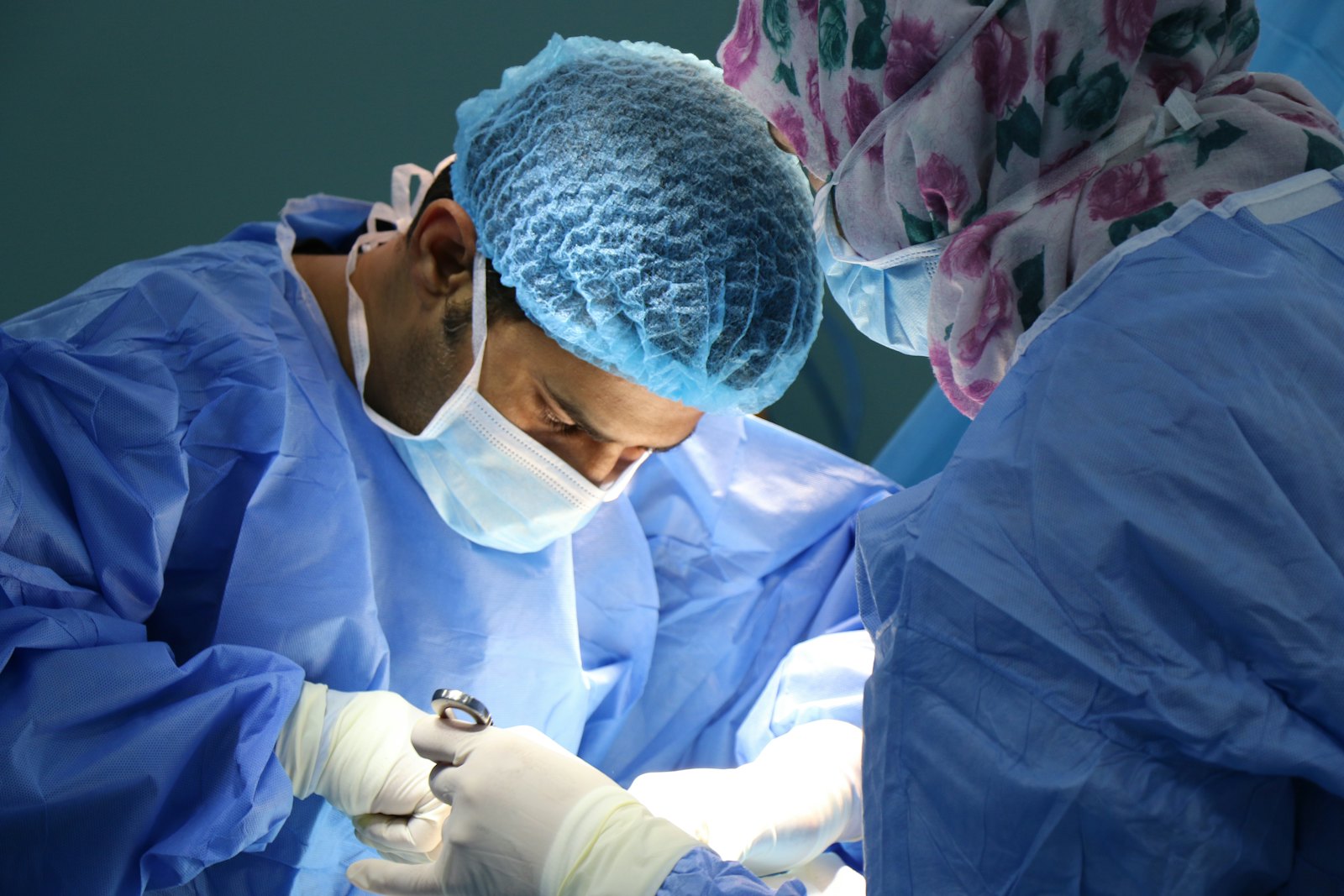
Rhinoplasty is performed under general anesthesia, during a short hospital stay (often day-case or one night, depending on the case). The procedure lasts 1.5 to 3 hours depending on complexity. The surgeon reshapes the bone and cartilage according to the agreed plan, refines the tip and, if needed, the septum, then closes. At the end, a splint (plaster or thermoformed resin) is placed on the bridge to protect it and hold the new shapes; internal packing or splints may be used, especially when the septum is addressed.
On waking, you breathe through your mouth for the first few days (a congested nose), which is normal and temporary. Pain is surprisingly moderate for this type of surgery: mostly a sensation of pressure and congestion, well managed with simple painkillers. See the practical details of your stay in how it works and the facilities on the our clinics page.
Week-by-week recovery
Rhinoplasty has a particularity: the visible recovery is short, but the result takes time to refine. Here’s the typical course.
- Days 1–7: swelling and bruising around the eyes (variable from person to person), congestion, splint in place. You sleep with your head elevated and avoid blowing your nose.
- Around day 7–10: the splint comes off, along with any packing. The nose still looks swollen, but you’re generally presentable to resume discreet social life.
- Weeks 2–4: bruising has gone, swelling drops noticeably. Gradual return to activities; intense exercise still off-limits.
- Months 1–3: the nose refines month by month; the tip, slower to deswell, stays a little thick.
- Months 6–12 (up to 18 on thick skin): final result, with residual swelling fully resolved.
So you have to accept that the “final” nose reveals itself over nearly a year. Photos from the early weeks don’t reflect the final outcome.
Scars and risks, honestly
With the closed technique, no external scar. With the open technique, a fine scar under the columella that becomes nearly invisible within a few months. Like any surgery, rhinoplasty carries risks you should know: bleeding, infection (rare), prolonged swelling, transient changes in tip sensation, and — its particularity — a risk of aesthetic imperfection or breathing difficulty that sometimes justifies a touch-up. Worldwide, the revision rate sits around 5–15% depending on complexity, even in the best hands: that’s the trade-off of millimeter-precise surgery on an organ that is both aesthetic and functional.
This is precisely why choosing your surgeon matters more than price. An experienced rhinoplasty surgeon who performs them regularly anticipates healing, skin retraction and how cartilage behaves. Our surgeons, including Dr Amine Rafik (French College of Plastic Surgery, Paris), have mastered these techniques; don’t hesitate to ask for before/after photos of cases comparable to yours.
Choosing your surgeon and your stay
A successful rhinoplasty starts with an honest analysis. Be wary of promises of a standardized “perfect nose”: a good surgeon tailors the plan to your face and tells you what is — and isn’t — achievable given your skin and cartilage. Check their training, their specific rhinoplasty experience and the quality of the facility.
Our partner clinics belong to the ISO-certified AKDITAL group (Jerrada Oasis in Casablanca, AKDITALIFE in Bouskoura), with more than 50,000 patients cared for. The package is all-inclusive: procedure, clinic, 4–5★ hotel, airport transfers and post-operative follow-up, with an English- and French-speaking team. Compare transparently on our prices page and in the cost guide.
The cost of rhinoplasty in Morocco
Here are our all-inclusive prices, with no hidden fees.
| Type of rhinoplasty | All-inclusive price (Morocco) | Typical Europe/US range |
|---|---|---|
| Primary aesthetic | €3,000 | €6,000–12,000 (typical) |
| Ethnic | €3,500 | €7,000–14,000 (typical) |
| Revision (secondary) | €3,500 | €8,000–15,000 (typical) |
| Septorhinoplasty | on request | variable |
The Europe/US ranges are broad averages and vary widely by country, surgeon and whether anesthesia and hospital fees are included. In Morocco, everything is included from the moment the price is quoted.
FAQ
At what age can you have rhinoplasty?
Once skeletal growth is complete, around 16–17 in girls and 17–18 in boys. There’s no upper age limit as long as health allows; many patients are operated on between 20 and 50, and beyond for functional procedures.
Does rhinoplasty improve breathing?
If the breathing difficulty comes from a deviated septum or enlarged turbinates, yes: septorhinoplasty corrects both aesthetics and function at once. A purely aesthetic rhinoplasty doesn’t improve breathing on its own and, if poorly done, can even worsen it — hence the importance of an experienced surgeon.
Can rhinoplasty be combined with a chin (genioplasty)?
Yes, and it’s both common and logical: the nose/chin balance shapes profile harmony. Bringing forward a weak chin (with an implant or osteotomy) can make the nose look less prominent. This combination is discussed during the quote.
Is there a visible scar?
With the closed technique, no external scar. With the open technique, a fine scar under the columella (between the nostrils) that becomes practically invisible within a few months. The choice of approach depends on the complexity of the work.
How long do I need to stay in Morocco?
Plan on about 7 to 10 days on site, so the splint can be removed before you fly home and a check-up can be done. Flying is then allowed; our teams handle remote follow-up until the final result.
When will I see the final result?
The nose is presentable as soon as the splint comes off (day 7–10), but swelling takes months to resolve: expect 6 to 12 months, and up to 18 on thick skin, for the final result — especially at the tip.
Want to know what’s achievable for your nose? Send us profile and front-facing photos and receive a free, personalized quote within 24 hours, with our surgeons’ analysis. Request your free quote — and to understand everything before you decide, read our complete guide to cosmetic surgery in Morocco and discover why choose Morocco.